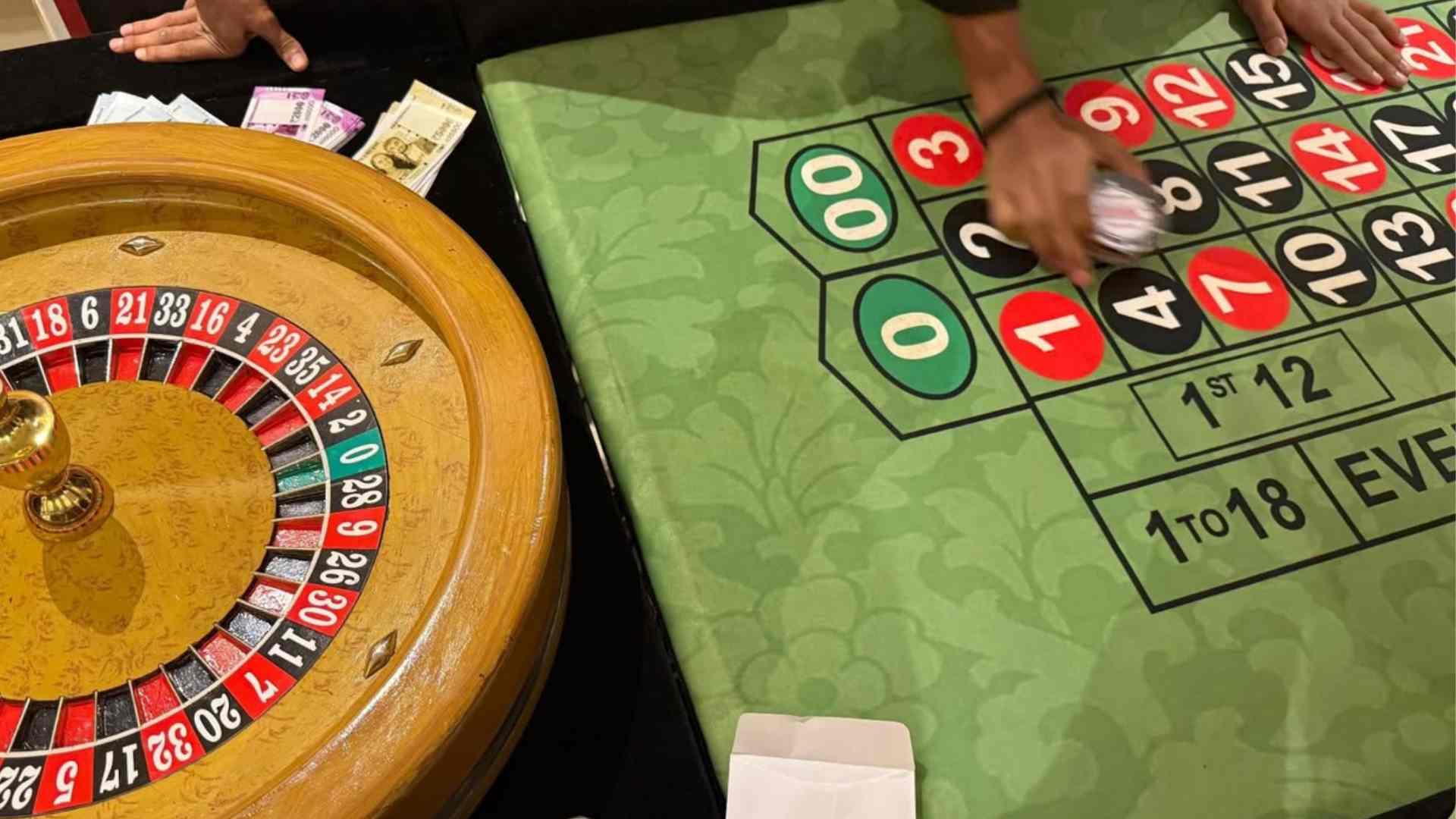
When participating in decision-making games or digital spinning wheels, players frequently notice that consecutive rounds feel distinct even if the rules remain identical. Even when identical options are presented on the wheel, the human experience of watching a rotation resets with every attempt. This psychological phenomenon demonstrates how anticipation, perception, and cognitive context influence our engagement with simple mechanical events.
The Dynamic Nature of Human Expectations
Our brains are naturally wired to search for patterns and subtle shifts across sequential events. When a wheel begins to turn a second or third time, the memory of previous outcomes subtly alters how we view the new attempt. This shifting baseline ensures that no two consecutive experiences evoke the exact same emotional reaction.
Furthermore, psychological perception adjusts dynamically during repetitive tasks to prevent cognitive fatigue. The mind actively compares the current rotation speed, sound, and visual deceleration against earlier attempts. This constant subconscious comparison keeps the experience feeling fresh rather than monotonous.
Neurological Responses to Variable Suspense
The element of suspense during a spin triggers small dopamine fluctuations tied directly to timing and visual movement. Small variations in how long a wheel takes to slow down can drastically heighten or lower tension. Because human attention fluctuates from moment to moment, the precise micro-moments of tension are never experienced in the same way twice.
Visual tracking plays a massive role in maintaining focus during interactive digital entertainment. Players who explore platform options often seek an m88 review to understand how different interface designs manage user engagement through visual feedback. Thoughtful visual design amplifies unpredictability, ensuring that every result feels earned and dramatic.
Contextual Shifts and Changing Personal Stakes
The emotional context of the player changes continuously throughout a session. A initial spin might carry light curiosity, whereas subsequent attempts carry the weight of previous results or a desire for a specific outcome. These changing personal stakes alter the perceived value of every single segment on the board.
Additionally, group dynamics can transform repeated actions into evolving social interactions. When observed by friends or colleagues, each spin becomes part of an ongoing narrative rather than an isolated event. The reactions of others constantly introduce new context that makes subsequent outcomes feel entirely distinct.
Cognitive Processing of Random Outcomes
Humans naturally struggle to perceive true mathematical randomness in a neutral way. Instead, we tend to project meaning onto sequences, treating consecutive outcomes as connected stories or trends. This mental habit turns every individual spin into a unique chapter within a broader experience.
Ultimately, the perception that repeated spins feel different is rooted deep within human cognition. By combining visual suspense, shifting expectations, and personal context, simple rotating wheels remain continuously captivating. Recognizing these psychological factors helps us appreciate why simple decision tools continue to hold our interest over time.