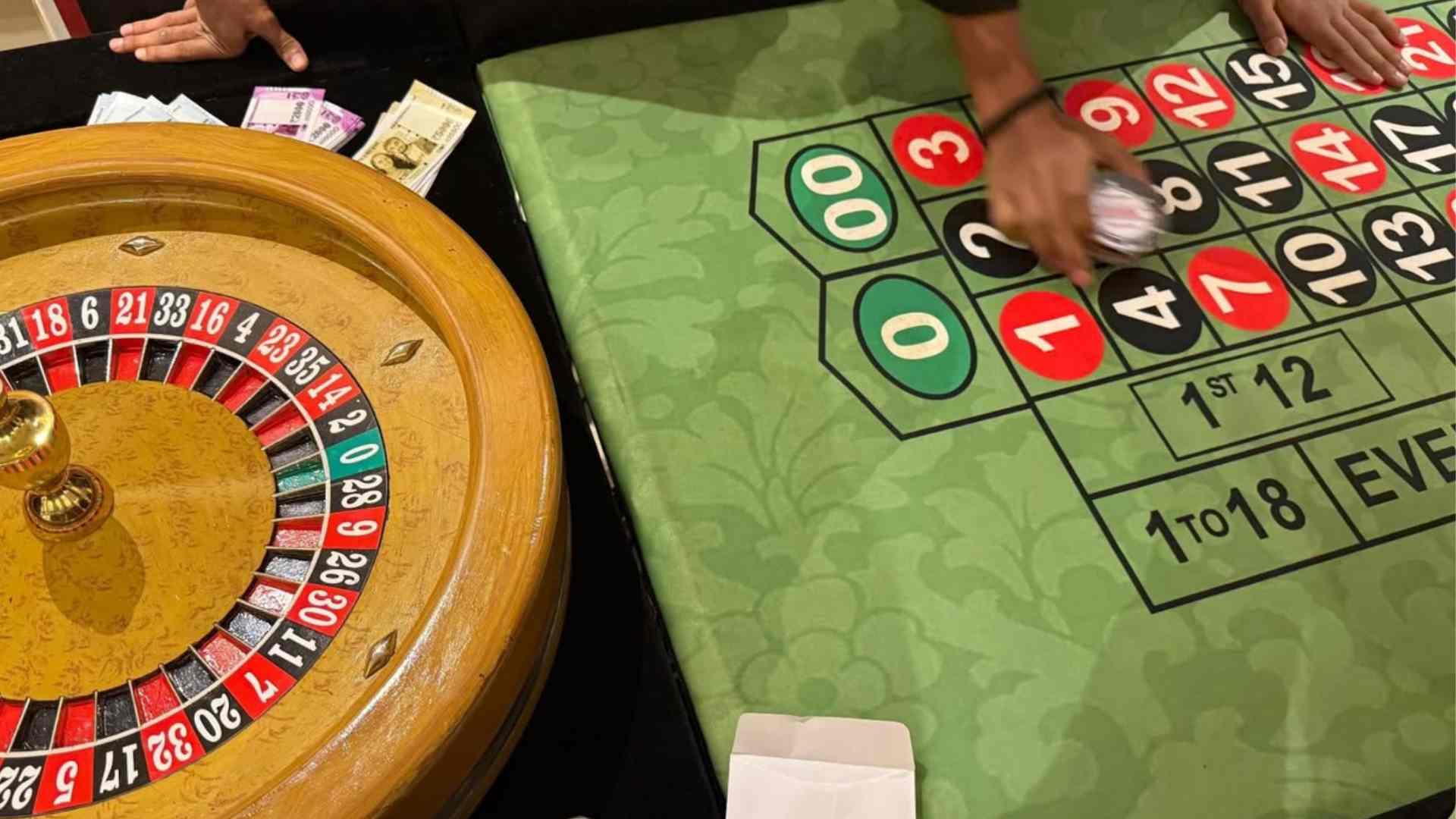
Sic Bo is an ancient Chinese dice game that has successfully transitioned into modern digital casinos, drawing players with its rapid pacing and extensive betting layout. While many participants view the game as a pure test of luck, analytical minds recognize it as a fascinating playground governed by finite mathematical probabilities. By shifting the focus away from simple guesswork and toward calculated probability, logical players can significantly optimize their table approach.
The Mathematical Core of Three Dice
Every round of Sic Bo relies on the simultaneous roll of three standard six-sided dice, creating a total of 216 unique numerical combinations. Understanding this finite set of outcomes allows analytical individuals to calculate the exact probability of any given result before placing a single chip. This structured perspective eliminates emotional decisions and replaces them with a clear understanding of the mathematical reality behind each shake.
Many casual participants fall victim to cognitive biases, mistakenly believing that past results can influence future rolls of the dice. A logical player treats each shake as a completely independent event, recognizing that the dice possess no memory of prior outcomes. Maintaining this objective viewpoint is essential for preventing the standard pitfalls associated with chasing perceived patterns on the digital board.
Evaluating the House Edge Constraints
A systematic strategy requires a close examination of the house edge associated with each specific option on the extensive betting grid. The table layout features a massive disparity between low-risk propositions and high-stakes wagers, with the venue's advantage varying dramatically. Logical participants naturally gravitate toward options that offer the most equitable balance between statistical probability and financial payout.
The Small and Big wagers represent the absolute foundation of any mathematically sound framework, as they offer near even-money odds. These specific areas cover broad ranges of total values, minimizing variance and helping players sustain their bankrolls over extended periods. For individuals looking to practice these balanced principles in a stable digital environment, exploring options like M88 slot platforms can provide an accessible arena to analyze real-time outcomes. Avoiding the high-yielding but statistically improbable triple bets is a hallmark of disciplined, analytical play.
Structuring a Probability Based Game Plan
Consistency at the table is rarely the result of good fortune, but rather the product of a well-defined and strictly followed session roadmap. Analytical players decide on their risk boundaries long before the first round begins, ensuring that emotions do not dictate their wagering sizes. This systematic approach involves breaking down a total budget into precise units, which protects the player from sudden volatility.
Combining low-risk foundations with modest single-number predictions can add controlled depth to a strategy without exposing the bankroll to excessive danger. This calculated method allows logical minds to enjoy the dynamic thrill of the game while maintaining strict statistical boundaries. Ultimately, mastering the table comes down to patience, realistic expectations, and a firm reliance on the immutable laws of probability.