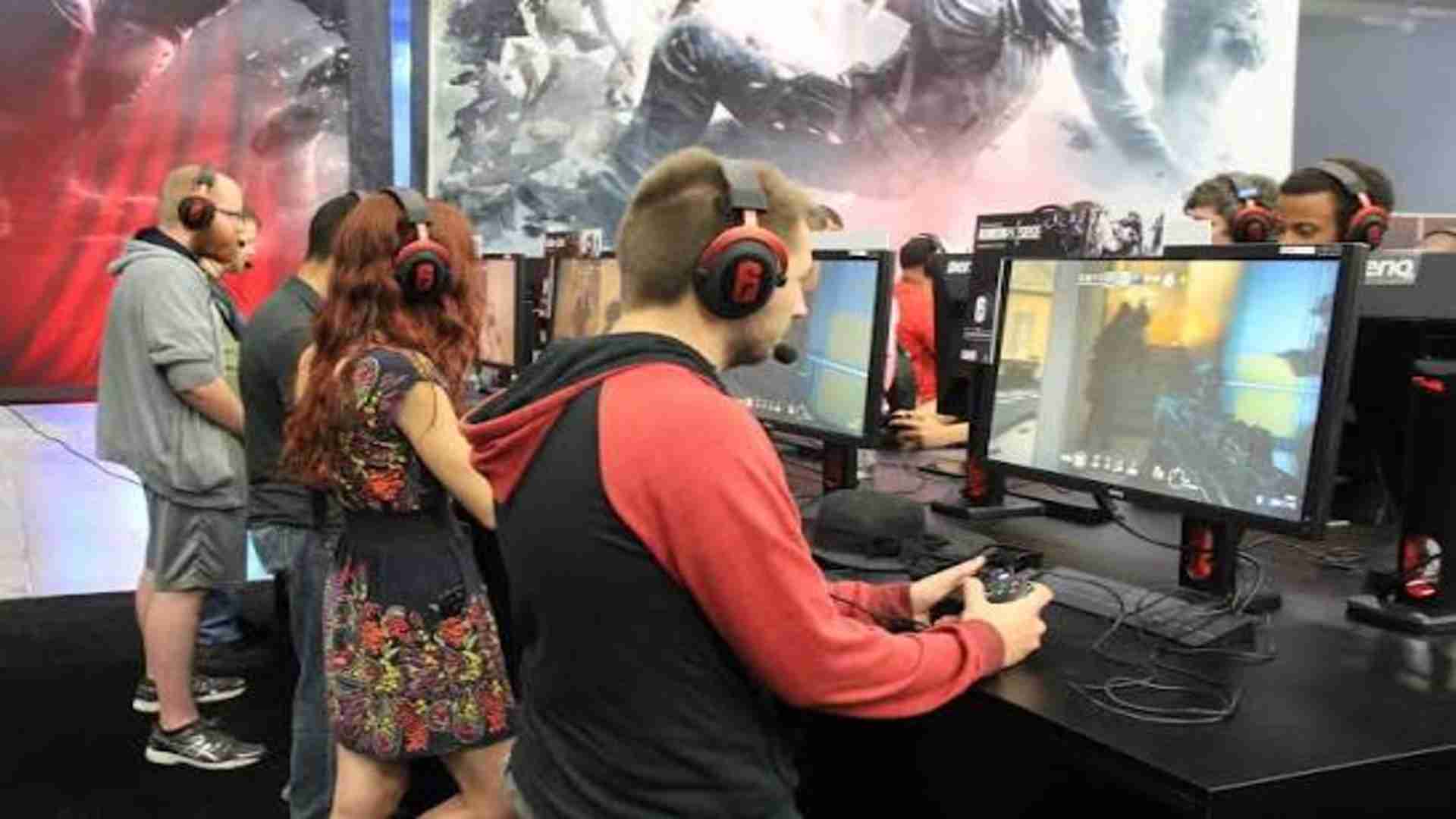
The modern mobile gaming industry has shifted its focus toward player versatility, offering dynamic environments where individuals can choose how they want to compete. Modern reward gaming applications are increasingly implementing flexible competition modes to cater to a diverse audience with varying skill levels and schedules. This evolution ensures that both casual enthusiasts and dedicated competitors can find a suitable path to earn tangible incentives while enjoying high-quality gameplay.
The Growth of Adaptive Competition Structures
As the digital landscape evolves, developers are moving away from rigid tournament structures toward more adaptive models. These systems allow players to engage in everything from quick head-to-head matches to expansive leaderboard challenges that span several weeks. This flexibility is essential for maintaining high engagement levels across different global time zones and user demographics.
By offering various entry points, reward platforms ensure that the barrier to entry remains low for newcomers while providing depth for veterans. High-performance gaming hubs like m88 casino demonstrate how integrating various challenge tiers can create a more balanced and inclusive ecosystem. These diverse modes empower users to manage their own progression and choose the level of risk and reward that fits their personal strategy.
Catering to Casual and Professional Playstyles
Flexible competition modes are specifically designed to bridge the gap between casual time-killing and professional-grade esports. Casual players often prefer low-stakes missions or daily tasks that provide steady progress without the pressure of direct elimination. Conversely, professional users seek out high-intensity brackets where their strategic depth and reflexes are tested against the best in the world.
The ability to toggle between these styles within a single application is a significant driver of long-term user retention. Developers use sophisticated matchmaking algorithms to ensure that every competition remains fair and transparent, regardless of the mode selected. This commitment to equity builds trust within the community and encourages players to explore different facets of the gaming ecosystem at their own pace.
Technical Infrastructure and Fair Play Standards
Supporting multiple competition modes requires a robust technical foundation that can handle fluctuating server loads and real-time data processing. Reliable platforms prioritize low latency and secure transaction protocols to protect the integrity of every match and prize distribution. Ensuring that every participant has a stable connection is fundamental to providing a high-quality user experience in competitive environments.
Transparency in rules and payout mechanisms is another cornerstone of a successful reward-based platform. Users must have clear access to the terms of each mode, including how points are calculated and how rewards are eventually distributed. This clarity helps prevent misunderstandings and fosters a sense of security for those looking to turn their digital skills into measurable returns.
Future Trends in Diverse Reward Gaming
The future of the industry points toward even greater personalization in how competitions are structured and delivered to the user. We are likely to see more community-driven events where players can create their own private leagues and set custom reward parameters. This shift toward decentralization will give the gaming community more control over the competitive landscape and the value of their achievements.
As mobile technology continues to advance, the integration of cross-platform play will further expand the pool of available opponents and prize opportunities. Staying informed about these emerging trends will help players identify the most reliable and rewarding platforms in an increasingly crowded marketplace. The focus will remain on delivering engaging, flexible, and secure experiences that respect the time and effort of every participant.