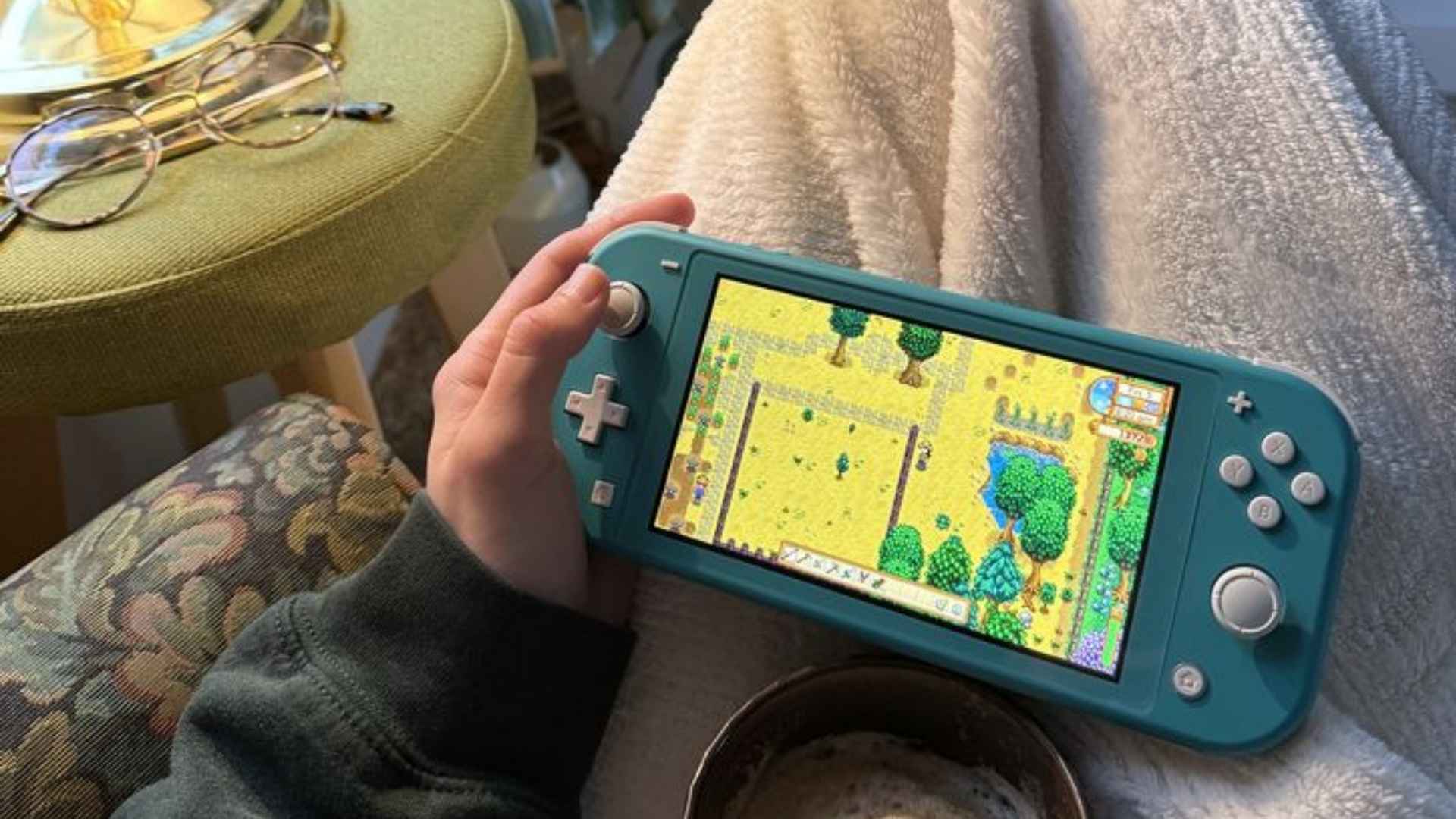
The landscape of modern digital entertainment has experienced a massive shift over the last decade, transforming from isolated pastimes into highly connected social phenomena. Multiplayer games with dynamic cooperative networks are leading this transformation by allowing player structures and group objectives to fluidly change in real time during active sessions. This innovative design approach ensures that global communities remain deeply engaged while constantly adapting to unexpected strategic challenges on the battlefield.
The Evolution of Adaptive Group Mechanics
Traditional cooperative titles often rely on rigid party structures that restrict player choices and enforce static team compositions throughout a match. In contrast, modern digital spaces introduce adaptive systems where squads can merge, shift, or completely restructure based on live, evolving conditions. This fluid layout forces participants to stay highly alert and continuously adjust their operational roles to support the broader collective network.
These shifting frameworks encourage deep mechanical variance, ensuring that both casual newcomers and seasoned veterans can contribute meaningfully regardless of their experience level. When players are allowed to move between tactical roles seamlessly, the overall community ecosystem becomes far more stable and resilient to sudden departures. This approach successfully transforms standard gameplay loops into unpredictable, highly replayable adventures that keep enthusiasts coming back for more.
Enhancing Real-Time Communication and Strategy
Achieving victory within these interconnected environments demands a high degree of mutual trust, quick reflexes, and flawless coordination among all participants. Instead of relying solely on basic in-game commands or static text inputs, contemporary multiplayer architectures utilize intelligent systems that adapt alongside the changing network. This flexibility allows individuals to coordinate complex strategies instantaneously, maximizing their collaborative potential under extreme digital pressure.
To explore modern platforms that deliver sophisticated pocket-sized arenas and highly engaging digital rewards, players frequently visit M88 slot to discover fresh online options. Engaging with these specialized hubs connects enthusiasts to advanced systems designed to optimize player participation across various entertainment styles. Developing these real-time coordination skills ultimately prepares communities for more demanding adventures as their collaborative networks grow larger.
The Architecture of Shifting Virtual Worlds
Behind these dynamic experiences lies sophisticated network infrastructure designed to manage fluctuating player data without disrupting live performance. Game servers must constantly recalibrate balance metrics, item distributions, and enemy difficulty scaling as players join or leave active networks. When executed properly, these background systems create a seamless flow that maintains fairness and excitement for every participant involved.
This technical evolution allows developers to craft persistent environments where player choices have visible, lasting consequences on the virtual ecosystem. Rather than following a strictly linear narrative path, teams collaborate to build custom solutions to complex environmental puzzles. This open-ended design philosophy rewards intellectual adaptability, turning standard matches into deeply satisfying cognitive exercises.
Long-Term Benefits for Online Communities
By shifting the primary focus from intense individual rivalry to shared triumphs, contemporary developers are fostering healthier online environments for everyone. Digital platforms that prioritize fluid collaboration naturally minimize the stress and toxic behaviors often associated with traditional, high-stakes matchmaking systems. Participants are heavily incentivized to support one another because their collective success depends directly on how well they adapt together.
Furthermore, these dynamic frameworks guarantee incredible long-term replay value by introducing evolving milestones that react directly to collective player choices. As these shared realities continue to expand, they help establish long-lasting friendships and deep social bonds that transcend geographic boundaries entirely. Ultimately, the future of the video game industry belongs to living ecosystems that can successfully unite global communities under common, shifting goals.