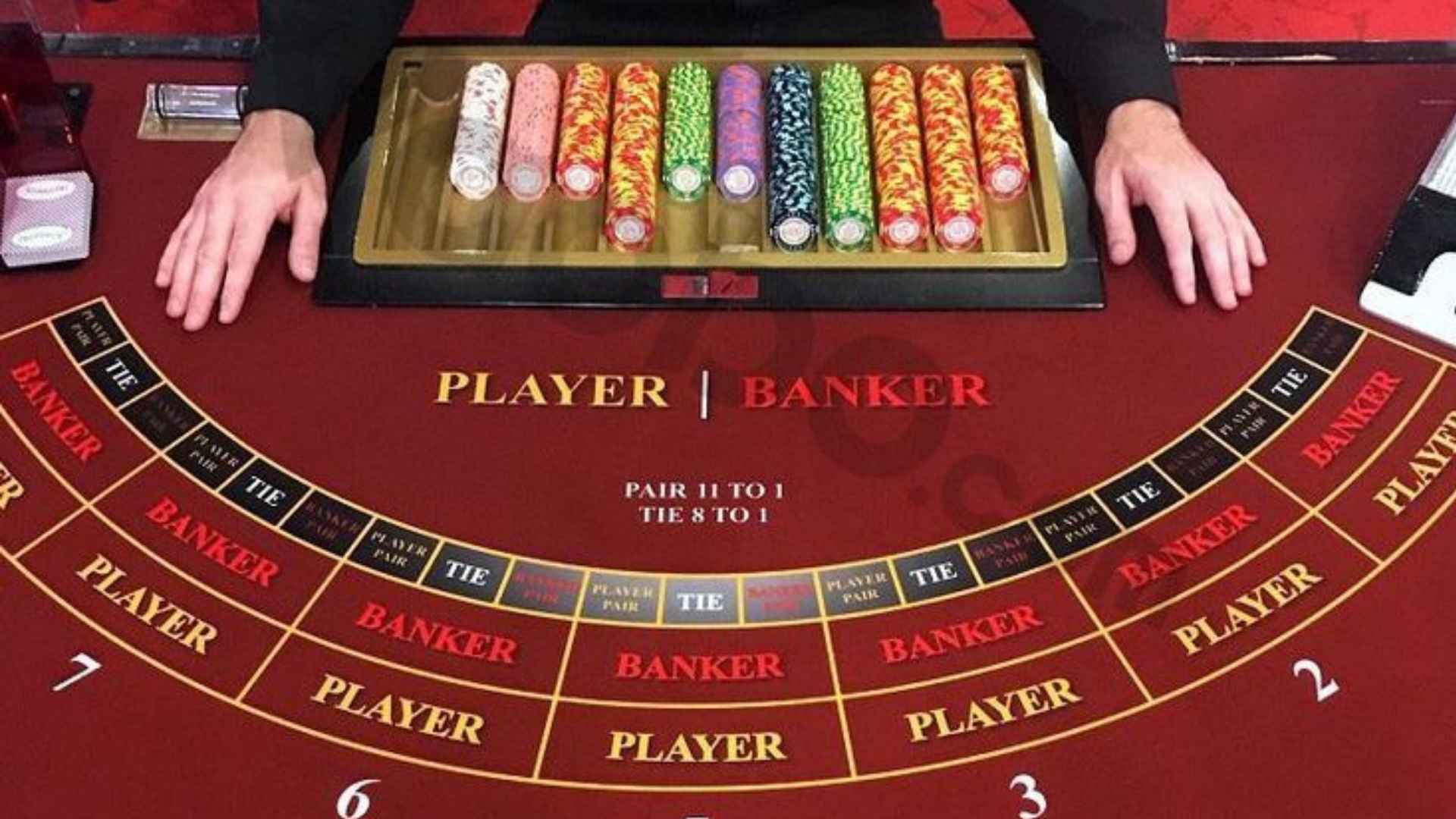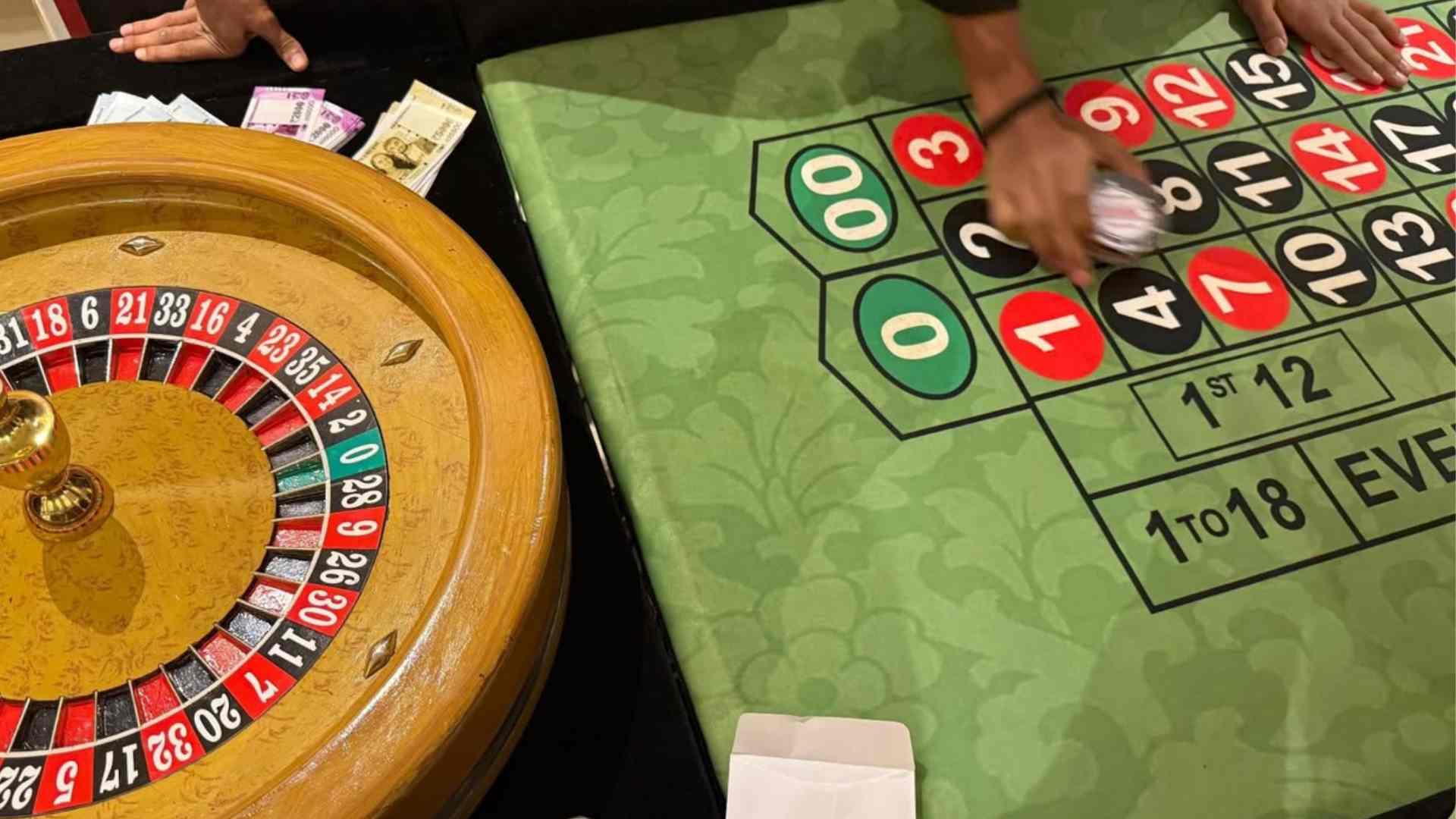
The human mind naturally seeks patterns and predictability, especially in environments governed by randomness and mathematical chance. Around a classic card table, this psychological tendency directly collides with the cold reality of distribution metrics and fixed deck ratios. Understanding how these mathematical boundaries shape player assumptions provides a fascinating look into the evolution of strategic card play.
The Psychology of the Gamblers Fallacy
Many participants struggle to separate past occurrences from future probabilities during an extended card session. When a specific outcome appears multiple times in a row, observers often mistakenly believe the opposite result is due to happen. This cognitive bias alters table expectations and frequently leads to misplaced confidence during wagering rounds.
In reality, standard card models maintain independent probabilities for each fresh shoe or randomized shuffle sequence. Overestimating perceived momentum can cloud objective judgment and cause players to ignore structural mathematical limits. Developing a disciplined approach requires recognizing that streaks are often just a natural expression of random distribution.
Mathematical Foundations Versus Table Intuition
Experienced individuals rely heavily on calculated probabilities rather than emotional tracking systems to guide their choices. By focusing on the exact card values remaining in play, they can establish reliable expectations regarding potential drawing combinations. This strategic focus eliminates reliance on luck and shifts the perspective toward strict risk management frameworks.
Modern digital platforms have made analyzing these mathematical frameworks more accessible than ever before. Enthusiasts looking to study standard probability models can visit a reliable platform like the link m88 to observe modern live table games. Utilizing these resources allows players to see how large numbers of rounds align perfectly with expected mathematical averages over time.
Managing Risk with Realistic Expectations
Setting realistic milestones is a crucial element of maintaining longevity and enjoyment at any gaming layout. Probability ensures that variance will impact short-term sessions, meaning that even mathematically sound choices can result in temporary losses. Accepting this uncertainty helps participants stay composed and avoid chasing losses through emotional, uncalculated wagers.
A balanced perspective also involves understanding the house edge built into every traditional card variant format. By recognizing the permanent mathematical advantages present at the table, players can optimize their choice structures accordingly. This understanding transforms the table experience from an unpredictable emotional ride into a structured exercise in discipline.
The Architectural Appeal of Card Formats
The timeless popularity of card games stems from the delicate interplay between fixed mathematical parameters and fluid human decisions. While probability sets the ultimate boundaries of what can happen, the timing of player choices adds strategic depth. This combination ensures that every dealt sequence feels unique despite utilizing a standardized deck system.
Ultimately, analyzing how numbers influence expectations highlights the sophisticated design of early European casino traditions. Recognizing these underlying mathematical realities gives modern players a much deeper appreciation for every card dealt. By separating superstition from real probability, enthusiasts gain a complete perspective on the mechanics of global table culture.