Sitting down at a live card game can often feel intimidating due to the unique vocabulary and rapid announcements made by experienced players. Developing a strong grasp of table dynamics is essential for keeping up with the pacing and hiding your own level of experience from watchful opponents. This practical guide breaks down the essential dialogue and structural choices every newcomer needs to feel comfortable during their first sessions.
The Core Dialogue of Active Betting
Every standard round of cards flows through a structured sequence of choices that dictate how the chips move into the center pool. When it is your turn, announcing your strategic choices clearly ensures that the game continues moving at an enjoyable pace for everyone involved. A clear verbal declaration prevents structural misunderstandings and keeps the table activity flowing smoothly without unnecessary interruptions.
When you choose to match the highest current wager made on the table, you announce a call to signal your continuous participation. If the pressure becomes too high or your cards lack sufficient strength, you can choose to fold your hand instead. Surrendering your cards means you forfeit any chips you have already contributed to the pool, giving up all active claims.
Understanding Forced Wagers and Timing
Before any cards are distributed, specific table positions must make mandatory contributions to establish the baseline value of the game. These forced wagers are split into distinct categories depending on where you sit relative to the dealer button. Knowing how these structural elements rotate around the layout helps you anticipate when it is your turn to act.
There are also moments when you can pass the decision to the next individual without risking any of your current chips. This specific move is known as a check, and it remains available only if no previous bets have been made in the active round. Utilizing this option allows you to gather vital information about your opponents without increasing your personal financial exposure.
Digital Shorthand and Practice Platforms
Transitioning from local card rooms to modern digital environments introduces a completely new lexicon for contemporary enthusiasts worldwide. Virtual participants interact through specialized interfaces that simplify rapid choices into automated button selections. Developing your comfort level on digital platforms is an excellent way to absorb common table routines naturally.
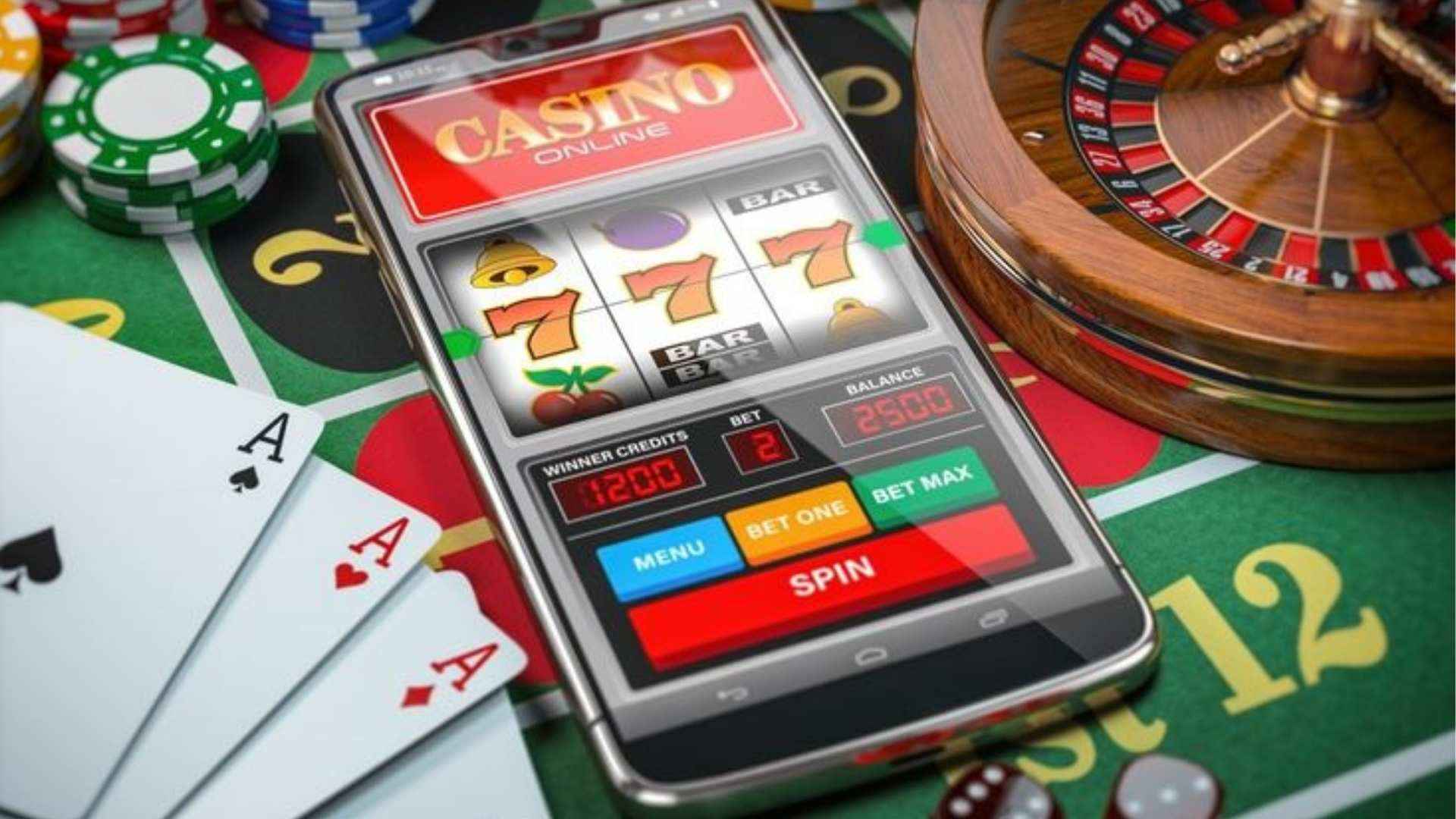
Many online gaming centers offer reliable resources where beginners can observe real-time table mechanics and study diverse action frequencies safely. For instance, exploring the interface of a modern M88 slot platform provides a perfect opportunity to get familiar with quick wagering layouts. Refining your spatial strategy in these virtual settings ensures you feel entirely prepared when stepping into higher stakes matches.
Managing Behavioral Signals and Tells
Beyond the basic terminology, card table communication involves interpreting the psychological patterns hidden behind your opponents physical actions. Successful competitors closely evaluate shifting betting intervals and hand gestures to decipher the true intent behind a sudden wager. Developing this deep analytical framework transforms vague guessing into logical mathematical calculations over time.
Learning to maintain a consistent physical presence prevents watchful players from reading your underlying strategic vulnerabilities during critical moments. Experienced professionals recommend focusing on uniform speech patterns and standardized movements regardless of your current hand strength. Building these disciplined table routines will significantly elevate your decision-making speed and long-term performance records.